
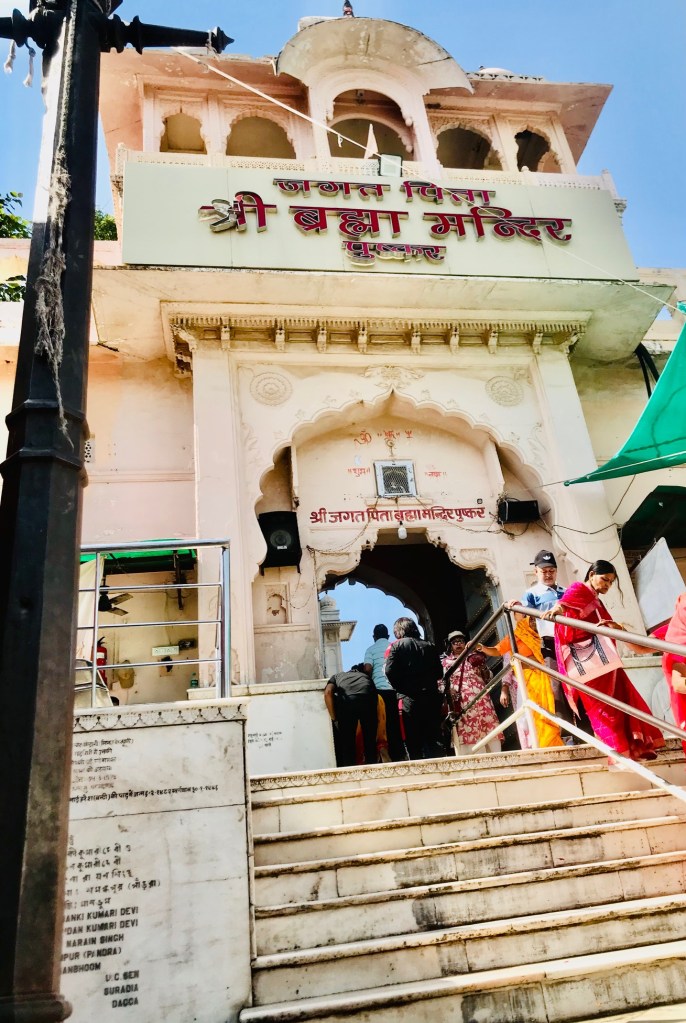
On 26th Oct.2023,We set out on a 2-day trip to the sacred city of Pushkar near Ajmer to take a dip in the holy waters of the Sarovar & offer prayers in the Brahma temple located adjacent to the Sarovar!Also we attended the marriage ceremony of our relative at the Serene Aravali Resort! At Pushkar we came to know about some very important landmarks worth paying a visit!Pushkar was full of beautiful architectural heritage & its rich history makes it a must visit place! Here I am sharing some collated information on the Pushkar Teerth with my valued readers !Happy Reading !
ABOUT PUSHKAR :
Pushkar is a city near Ajmer City and headquarters of Pushkar tehsil in the Ajmer district of Rajasthan. It is situated at the northwest of Ajmer about 150 km southwest of Jaipur. The nearest airport from Pushkar is Kishangarh about 45 km northeast. Pushkar is about 10 km from Ajmer, connected via Pushkar road (Highway 58) which goes over the Aravalli Range mountains. Ajmer is also the nearest major railway station. It is a pilgrimage site for Hindus and Sikhs. Pushkar has many temples. Most of the temples and ghats in Pushkar are from the 18th century and later, because many temples were destroyed during Muslim conquests in the area. Subsequently, the destroyed temples were rebuilt. The most famous among Pushkar temples is the red spired Brahma Temple. It is considered a sacred city by the Hindus particularly in Shaktism, and meat and eggs consumption are forbidden in the city .Pushkar is located on the shore of Pushkar Lake, which has many ghats where pilgrims bathe. Pushkar is also significant for its Gurdwaras for Guru Nanak and Guru Gobind Singh. One of the bathing ghats is called Gobind ghat built by the Sikhs in the memory of Guru Gobind Singh. Pushkar is famous for its annual fair (Pushkar Camel Fair) featuring trading of cattle, horses and camels. It is held over seven days in autumn marking Kartika Purnima according to the Hindu calendar (Kartik month: October or November).

LEGEND:
Pushkar is believed to be the place where Brahma performed penance for a very long time and therefore is also one of the rare places which hosts a temple to the Hindu Creator God. According to the Padma Purana, once Brahma decided to go to the earth and reaching the area of the present Pushkar, he entered that forest, full of many trees and creepers, adorned with many flowers, filled with the notes of many birds, crowded with groups of many beasts. Brahma was very pleased with the forests and trees and after remaining at Pushkar for a thousand years he threw a lotus on the ground which made the earth tremble to its core. The devas were also shaken and not knowing what had caused the upheaval, went to look for Brahma but could not find him. Vishnu told them the reason for the tremors and took them to Pushkar to meet Brahma. However they could not get a glimpse of him and Vayu and Brihaspati suggested them to meditate according to Vedic rites to be able to see Brahma. After a long time the creator-god became visible to them and asked them why they were so distressed. The devas told him about the tumult caused by his dropping the lotus from his hand and asked the reason for it. Brahma informed them that a demon named Vajranabha who used to take away the life of children was waiting there to kill the gods but Brahma brought about his destruction by dropping the lotus. Since he had dropped the lotus there, therefore that place would be known as Pushkara, a great, sanctifying holy place, giving religious merit.
HISTORY :
Pushkar is near some of the oldest geological structures in India. Microliths near Khera and Kaderi suggest the region was settled in ancient times. The Aravalli hills near it have yielded Mohenjodaro-style artifacts, but the connection is unclear as these items may have been transported later.Sites near it have been sources of ancient Brahmi script inscriptions, considered pre-Ashokan near village Badli. Local excavations have been a source of red ware and painted gray ware confirming ancient settlement. Pushkar is mentioned in the Ramayana, the Mahabharata and the Puranas, suggesting its significance in historical and religious tradition of Hinduism. The city is mentioned in many texts dated to the 1st millennium. These texts are not, however, historical. The earliest historical records relating to Pushkar and Ajmer are found in Islamic texts describing the raids and conquest of northwestern regions of the Indian subcontinent.
The region finds mention in Mohammad Ghori’s 1192 CE conquest/ defeat of Prithviraj Chauhan. Thereafter, Pushkar and nearby Ajmer find mention in historical records related to Qutub-ud-din Aibak. It was regained by Hindus under the Chahamanas of Ranastambhapura in 1287, but regained by the Delhi Sultanate in 1301 and remained in Muslim control for many centuries. Akbar made the nearby Ajmer one of the provincial capitals, and it remained a part of the Mughal Empire until 1712 CE. The Muslim rule brought destruction as well as cultural influences. Aurangzeb’s armies destroyed the Hindu temples along the lake. The cattle and camel trading tradition brought merchants from Afghanistan. With the collapse of Mughal Empire after Aurangzeb, Pushkar was regained by Hindus and became a part of Jodhpur State under the Rathores of Marwar who rebuilt the temples and ghats. Several important temples were rebuilt by the Rajputs, Marathas, Brahmans and wealthy Hindu merchants. The Brahma temple was rebuilt by Gokul Parak Oswal, the temple of Saraswati was rebuilt by the Purohit of Jodhpur, the temple of Badri Narayana was rebuilt by the Thakur of Kherwa, the temple of Varaha which had been destroyed by Jahangir was rebuilt by Maharaja Bakht Singh of Marwar and the Maratha Noble Goma Rao rebuilt the Shiva Atmateshwara Temple. In 1801, Pushkar came under British rule and remained a part of the British Raj until 1947.In contemporary times, it has been the venue of the famed annual Pushkar Camel Fair. In 1901, the town was part of the Rajputana Agency had a population of 3,831.
Festivals and Fairs :
Pushkar Fair :Pushkar fair continues for five days and these five days are a period of relaxation and merry-making for the villagers. This fair time is the busiest time for them, as this is one of the largest cattle fairs in the country. Animals, including over 50,000 camels,are brought from distant places around to be traded and sold. All the camels are washed and adorned, some are shown to form artistic patterns. Some camels, horses, and cows are colorfully decorated.
In addition to the animal trading market, Pushkar in parallel holds:
Festival of folk music and dances, ferries wheels, magic shows, horse and camel races and various other traditional sports and team entertainment competitions. While the Pushkar fair is held around the Kartik Purnima that typically overlaps between late October and early November, other seasons feature other sports and festivals for pilgrims who visit the sacred lake.
Other Fairs :1)Nagaur Fair, 2) Tejaji Fair
A Sikh Gurdwara in Pushkar:
Pushkar is a sacred pilgrimage site for Sikhs as well, according to Gurmukh Singh, with Gurdwaras dedicated to Guru Nanak and Guru Gobind Singh. These have historic roots, with the Guru Nanak Gurdwara in the eastern part of the town called Guru Nanak Dharamsala, a name common for Sikh shrines before the 20th-century. The Sikh Dharamshala is a two-storeyed building consisting of a central room, surrounded by a verandah. The second Sikh temple is dedicated to Guru Gobind Singh marking his visit after he left Anandpur Sahib. Pandit Parmanand took an oath on the holy cow on behalf of Hindu kings and Muslim priest, Qazi Syyed Wali Hassan took an oath on the Quran which was handwritten by Aurangzeb. They promised that if Guru ji leaves Anandpur Sahib then he will not attack Guru ji and everyone can move out of Anandpur Sahib peacefully.The place he stayed in and the lakefront next to it is now called the Gobind Ghat. It has a memorial inscription and this shrine was built with the sponsorship of the Maratha Empire, after the widespread Hindu-Muslim wars in the final decades of Aurangzeb rule and the collapse of the Mughal Empire. The shrine has an old hand written copy of the Sikh scripture, the Guru Granth Sahib and a hukumnama believed by Sikhs to have been written by Guru Gobind Singh. Both these have been preserved by a Pushkar Brahmin priest, a descendant of the priest whom the Guru met. The hukumnama is on a bhoj patra, a method of recording letters in the 18th century.


Pushkar Holi :
Holi takes place in March and it is one of the most important festivals in the Hindu calendar. It represents the triumph of good over evil and the coming of springtime. Holi celebrations happen all over India and involve huge jubilant street parties. During Holi, Bhang (ancient Indian cannabies) is served in Pushkar, which is known to have some of the best Bhang in India.
Important landmarks of Pushkar:


1) Pushkar Sarovar :
Pushkar Lake is a sacred lake of the Hindus. The Hindu scriptures describe it as “Tirtha-Guru” [Thirtha Raj]– the perceptor of pilgrimage sites related to a water-body and relate it to the mythology of the creator-god Brahma, whose most prominent temple stands in Pushkar. The Pushkar Lake finds mention on coins as early as the 4th century BC. Pushkar Lake is surrounded by 52 bathing ghats (a series of steps leading to the lake), where pilgrims throng in large numbers to take a sacred bath, especially around Kartik Poornima (October–November) when the Pushkar Fair is held. A dip in the sacred lake is believed to cleanse sins and cure skin diseases. Over 500 Hindu temples are situated around the lake precincts! The prime attraction of Pushkar is the Pushkar Lake which is considered sacred like the Mansarovar Lake in Tibet. Pushkar has become a place of Hindu pilgrimage because of this holy lake. Legend has it that this lake was consecrated to Brahma, the creator of the universe when a lotus dropped from his hand into the vale and a lake emerged in that place.


2)Brahma Temple,Pushkar (Jagatpita Brahma Mandir)
The most important temple in Pushkar is the temple of Brahma, one of the holy trinity of Hinduism. The temple enshrines a life-size idol of Brahma. The temple is one of very few existing temples dedicated to the Hindu creator-god Brahma in India and remains the most prominent among them.The temple structure dates to the 14th century, with later partial rebuilding. The temple is made of marble and stone slabs. It has a distinct red pinnacle (shikhara) and a hamsa bird motif. The temple sanctum sanctorum holds the image of four-headed Brahma and his consort Gayatri (goddess of vedas). The temple is governed by the Sanyasi (ascetic) sect priesthood. On Kartik Poornima, a festival dedicated to Brahma is held when large numbers of pilgrims visit the temple, after bathing in the sacred lake.

Ajmer is the nearest tourist attraction that lies outside the city boundaries of Pushkar. Located 27 Kms away from Ajmer, there is Kishangarh, famous for its miniature paintings, more popularly known as Bani Thani.
Savitri Mata Temple :Its located on the Ratnagiri hills dedicated to Lord Brahma’s wife Savitri !There is a ropeway for reaching the temple !

Sunset Point located at the southern end of the Pushkar lake, Sunset Point is one of the famous attractions in Pushkar. It is also a place where many artists show their talent in front of the visitors.
Old Pushkar – Old Pushkar lake is rebuilt and is located around 5 km from Pushkar Lake. According to the ancient texts, Old Pushkar has equal cultural and religious significance for the pilgrims.
Serene Aravali Spa & Resort ,Pushkar :


We reached the resort on our two-day Pushkar trip to attend our relatives’ wedding & all related ceremonies such as Haldi, Mehandi,Ladies Sangeet ,Baraat procession,Marriage Solemnizing rituals & the sad part ,Vidai !We immensely enjoyed all the ceremonies taking part in all of them as Resort team managed them so efficiently!


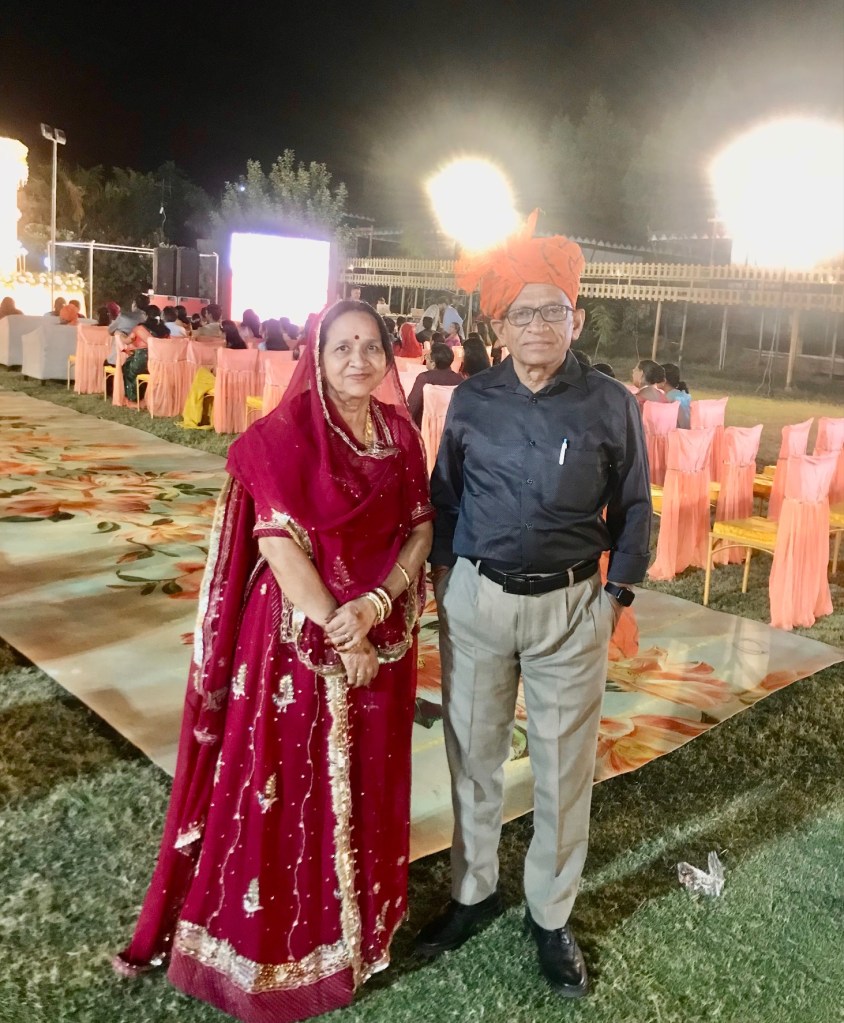

Located amidst the dryland & beautiful Aravali hills,the Resort is an Oasis with beautifully laid out wooden cottages& serene surroundings away from the hustle & bustle of the city to refresh our mind,body & soul!We had a great time in the Spa & the refreshing swimming pool in the resort!We will always cherish the beautiful memories!
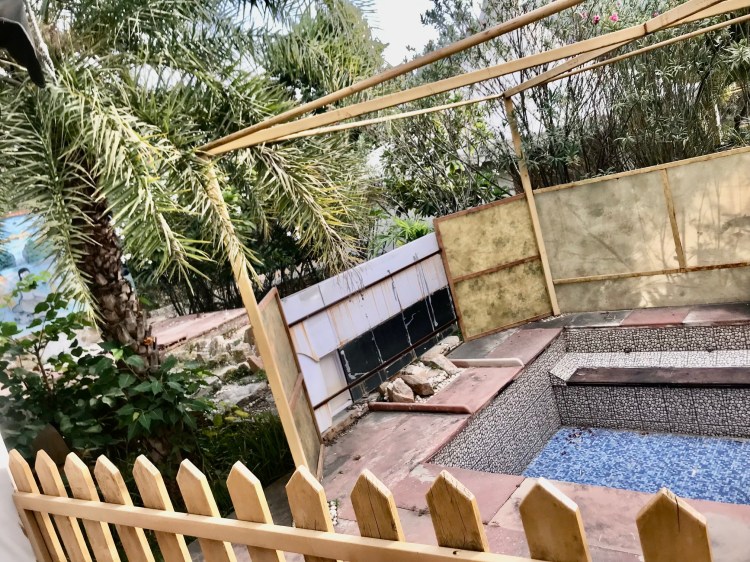


Mesmerizing views of the Resort in the moonlit night !Quite a magical experience!
My dear readers may kindly point out any incorrect information in my above writeup needing any corrections! I am truly indebted to Wikipedia & for the invaluable information on the subject !Happy Reading !


One of the defining features of your Travel Blog, as always, is bringing out all the fine points of the place; its historical perspective, legend attached to the place, olden days perspective with history and geography attached.
The social and cultural aspects of PUSHKAR, as enunciated by you is very clearly mentioned with illustrations. Really, the Muslim invaders were instrument in destroying our prominent temples and what have you. I am really appalled what was there in their mind slate while destroying the Hindu monuments. By so doing, they thought that they could decimate our cultural and traditional linage. What a downright disgraceful. But one defining feature is that some of our temples etc were rebuilt and their glory regained to a limit.
Pushkr is really one of the most holiest places and have connectivity with Lord Brahma; the God responsible for creation.
The descriptions provided by you are really interesting and touching.
With regards
HARBANS
LikeLiked by 2 people
🙏🏾
LikeLiked by 2 people
🙏🏾
🙏🏾
🙏🏾
LikeLike
You have explained vibrant history and culture of this spiritual city so well.Always a pleasure to read your blogs.I especially enjoy reading Rajasthan’s exquisite history and culture through your blogs.
LikeLiked by 2 people
Thanks for your bright & encouraging words! Pl Keep supporting as ever 🌷🙏
LikeLike
I have seen people going to Ajmer, but not Pushkar, which is so important historically, religiously and geologically. Thank you, Dhirendra ji for this post on Pushkar. Hope the marriage ceremony passed happily. Details supported by pictures are unique. Really enjoyed your post after a long time.
LikeLiked by 2 people
Ya, the marriage was solemnised as per due rituals in the well managed resort! Enjoyed our two stay immensely! I got the chance to take a dip in the sacred Sarover ! Thank you so much for the lovely assessment of the writeup 🌷🙏
LikeLiked by 1 person
My pleasure! You’re always welcome 🙏💐
LikeLiked by 1 person
Nice overview of Pushkar and it’s neighborhood. Although I had visited Pushkar a few times, I didn’t have much information about it’s adloining places, till I read this blog. Thank you for for enlightening me. Regards.
LikeLiked by 2 people
Thanks dear for the wholehearted praise for the little effort 🌷💕🙏
LikeLike
Pushkar looks amazing, I must say. With hills in the background, the lakes, ghats, and temples make for stunning views.
I already sense Pushkar’s sacred, tranquil, and boho vibes.
The wedding photos are beautiful; the vacation seems to have been full of adventures in general.
LikeLiked by 2 people
You are absolutely right! This vacation was a combo of spirituality,amazing rituals, marriage solemnisation &faith! Thanks for the lovely response 🙏
LikeLike
The culture of Rajasthan specially Pushkar is well explained. Many people are totally unaware of the importance of Pushkar in Sanatan Dharma. Thank you for explaining it beautifully
LikeLiked by 2 people
Thanks Sakshi for your lovely response to the blog! You are absolutely right about the importance of our Sanatan dharma !The Indian culture & heritage is quite rich and applauded by the world over & we are the proud citizens of this country!
LikeLiked by 1 person
Dhirendra, I’m always interested in learning about sacred places and why they’re important to devotees. We visited India a few years ago, but unfortunately didn’t know about Pushkar. For a westerner like me, it would have been a marvelous place to visit. I’ll add it to the list for the next trip. Well done post and congrats on your 4 year anniversary. ~James
LikeLiked by 1 person
Pushkar is one of the holiest places in India for particularly for Indians whose beliefs are so strongly embedded in their hearts! Also some foreigners also follow the beliefs & rituals finding them personally meaningful!Pl include it a must visit pilgrimage, James🙏
LikeLike
Also thanks for your lovely 💕response on my Fourth Anniversary with WordPress
LikeLike
The history of Indian music is a testament to the enduring legacy of cultural exchange and artistic expression. From its ancient origins to its modern manifestations, Indian music has evolved and adapted to changing social, political, and technological landscapes while retaining its intrinsic connection to the cultural heritage of the Indian subcontinent. Whether through classical ragas or folk melodies, Indian music continues to enchant and inspire audiences across the world.
https://www.indianetzone.com/2/history_indian_music.htm
LikeLike