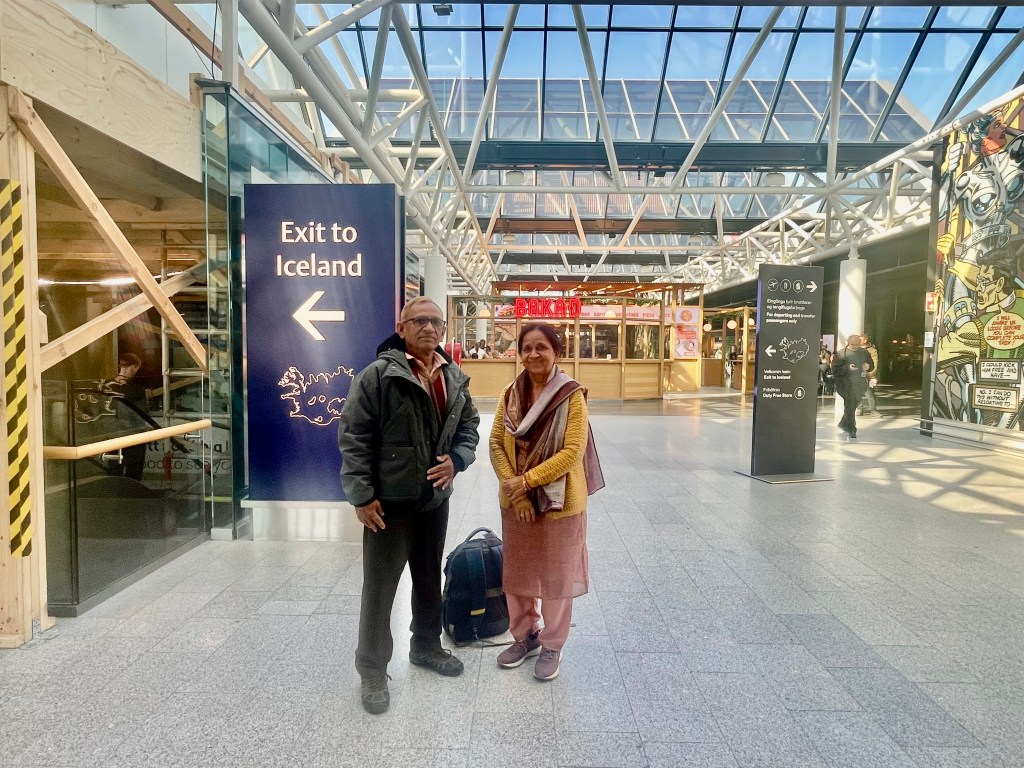
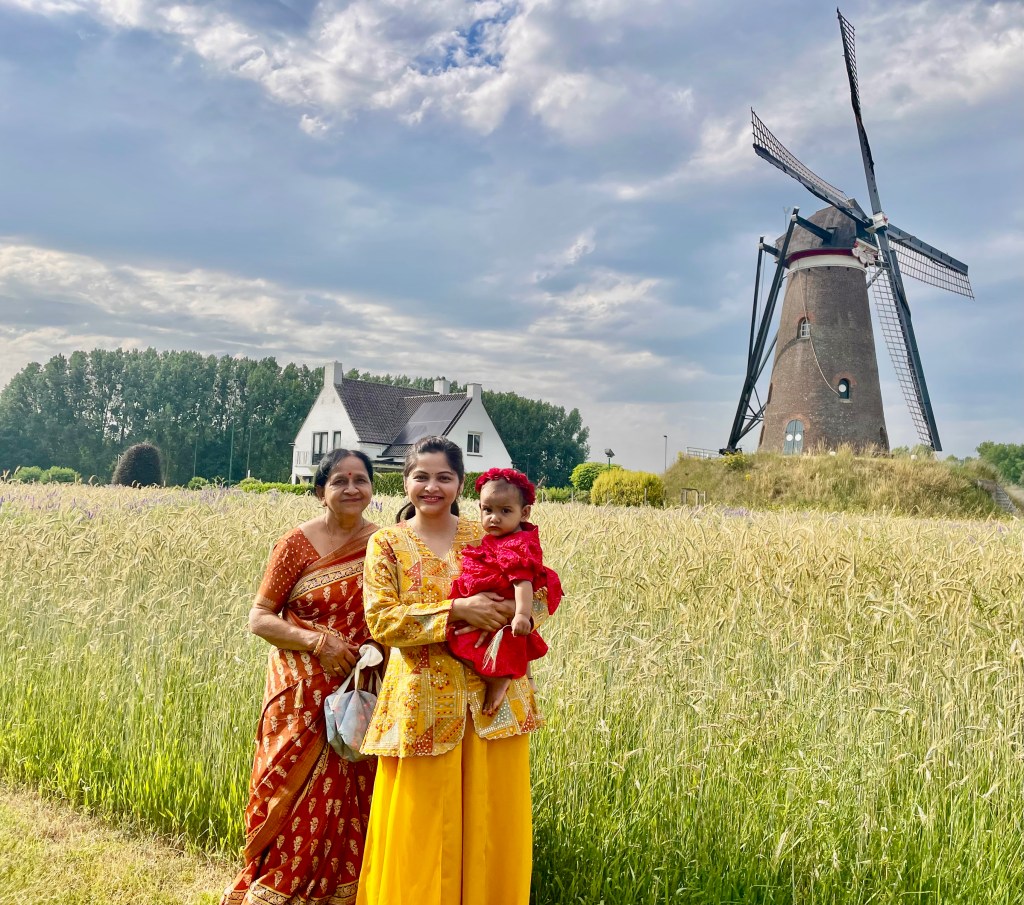
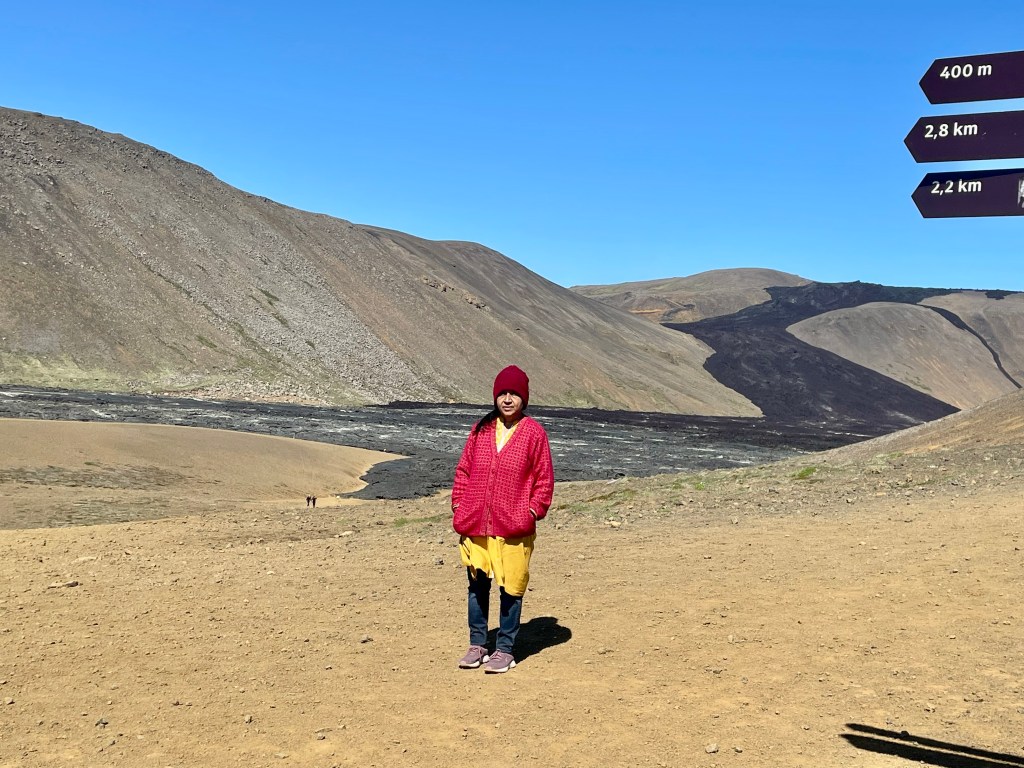
Of late, I have been going through some really interesting articles in the social media from a variety of people expressing their views & sharing their real-life experiences regarding moving to a foreign country in quest for a free ,cleaner & healthier life along with lucrative financial packages as compared to India! Some have returned & yet some contemplating to return to India having accomplished their set out objectives while some returned failing to strike a work-life balance in the foreign country.They have very elaborately mentioned the positives & negatives of moving abroad & the social & financial implications of returning back to India.Here in this post,I am reproducing some of the articles of those affected people sharing their sweet & not-so-sweet experiences.Also I have visited some European countries during my four trips wherein I very closely examined the lifestyle & culture there & did a little bit of research!I could draw so many positives in my research such as clean atmosphere, lot of moving spaces in absence of crowd ,civic sense,privacy & lot of personal time often living in a nuclear family setup, peaceful life,& financial autonomy!During my stay there I found that life is too predictable & lacked much excitement & challenge which are essential ingredients of growth which was the only negative observation I made(Its my personal view & I may be wrong here)! I totally endorse the concept of moving to a foreign country to earn good money & after building a good corpus, take the very critical decision of returning or not returning home!This decision should be one’s own after due deliberations & considering all socio-financial implications!My best wishes to all concerned people in dilemma for making the right decision or a tough choice conforming to their set of circumstances! All the best !
As per my opinion :
1)The decision to move to a foreign land in pursuit of a better life,healthy financial gains & building a reasonable corpus before returning to India to lead a comfortable life with near & dear ones, is quite a critical one !Hence I want to personally suggest all concerned to closely & carefully examine the various real-life experiences of people sharing precious information regarding financial implications ,cautions & alerts before making such critical decisions in a cool & calculated manner.
2)As for the slight adjustments essential in “lifestyle” on return to India ,both young & the old should happily adapt to a mid-path respecting each others’ modern & traditional values !I know its not a big ask considering that everyone carries a thinking head on his/her own shoulders & wants to live a very peaceful & comfortable life ahead !
3)I feel a bit curious & my humble querry to the NRIs (who have stayed abroad for atleast 8-10 years)is about their EXACT OBJECTIVE OF EARNING SUBSTANTIAL AMOUNT OF MONEY DESPITE the fact that Govt. has all the schemes in place for their nationals like free education to children, old age pension & other advantageous shemes or perks! For what end are you all toiling day & night out ?In case both spouses are working & after paying for house rent & household expences if there are some thoughtful savings ,one can have a handsome amount in this period! Now there are two options :1)Spend in property & increase your wealth & continue staying there living a comfortable life forever or 2)Move back to India for some 8-10 years (or as may be suitable)spending time with parents & select relatives & friends!It will be like HAVING THE BEST OF BOTH WORLDS at the same time keeping the option of returning back abroad to continue their easy going life in their older ages alongwith childrens higher education! Although its quite tough decision & choice to make for you all but in order to be happy in life in all its phases, one must be tough to implement plans best suited to them !All the best from me for the future, dear ones !Best of luck !
4)One last suggestion:On your return to India never ever give loan to anyone if you think of getting it back!Its your hard earned money & you can’t afford to lose it in this manner !Let me explain it this way :Koyal : it is colloquially known as the “Indian Nightingale” or “Rainbird” due to its melodious call, similar to the European nightingale. It belongs to the cuckoo family (Cuculidae)! But practically speaking ,koyal doesn’t have the most melodious call which belongs to a person requesting you for loan which he will never ever repay you back !So never give loan to anyone please!
35 million Indians living abroad are earning $730 billion a year: Why do the Indians living abroad matter more than ever ?
For the longest time, we’ve looked at Indians living abroad in a very simple way. They go out, build a life, and send money back home. That was the story we grew up hearing. But today, that story feels incomplete. Because the scale has changed. The impact has changed. And honestly, the meaning of “being Indian” has expanded far beyond geography. With over 35 million Indians living across more than 200 countries and earning nearly $730 billion every year, the diaspora is no longer just connected to India. It is actively shaping its future.
1. Earning at a scale that changes how we see success :
When you hear $730 billion, it does not immediately register. But think of it this way. This income is larger than the total economy of many countries. And this is only from formal jobs, not even counting businesses, investments, or startups. What this really tells us is that Indians abroad are no longer just participants in global economies. They are key drivers. For someone sitting in India, it shifts the idea of success. It is no longer limited to what you build within the country. A huge part of India’s economic strength is now being created globally by Indians themselves.
2.Moving from sending money to building influence :
India still receives the highest remittances in the world, around $100 billion plus every year. But that is no longer the most important part of the story. What is changing is the nature of contribution. Indians abroad are now investing in startups, mentoring founders, opening global doors, and bringing knowledge back home. The relationship has evolved from financial support to strategic partnership. It is less about sending money and more about creating opportunities that did not exist earlier.
3. Becoming the familiar faces behind global success :
This shift feels relatable because we see it everywhere. The CEOs of global companies, the engineers building new technologies, the doctors, researchers, and founders. A significant number of them are Indian-origin. This is not just representation. It is influence. Indians are not just part of global systems anymore. They are shaping how these systems work. For many of us, this hits personally because we all know someone who went abroad and “made it.” That individual journey has now become a collective global presence.
4. Acting as India’s fastest bridge to the world :
For most countries, becoming global takes decades of effort. India has something unique. Millions of people already positioned across the world who understand both India and the global market. They bring in investments, create partnerships, and build trust in ways that no policy alone can achieve. Reports describe this as a combination of capital, capability, and credibility. In simple terms, they make it easier for India to grow faster because they are already inside the systems India wants to enter.
5.Staying connected not just emotionally but intentionally :
What makes this story even more powerful is that the connection has not weakened with distance. In fact, it has evolved.Many Indians abroad actively want to contribute to India’s future through business, innovation, and social impact. It is no longer just about nostalgia or roots. It is about responsibility and opportunity. They are not just connected to India. They want to build with India.
N.R.Is. RETURNING TO INDIA :
NRIs returning to India often experience a mix of emotional fulfillment, primarily driven by a sense of belonging, family proximity, and cultural connection, alongside challenges like reverse culture shock, pollution, and navigating the bureaucracy. While many appreciate the rapid development in transportation, tourist destinations,numerous schemes launched for improved services, and social life, others face toxic professional environments, lower work-life balance, and demanding financial adjustments.
The Key Reasons for Returning :
- Family Ties & Belonging: The primary drivers are caring for aging parents, a sense of belonging, and raising children in Indian culture.
- Visa/Legal Security: Relief from immigration uncertainty, H1B anxieties, or deportation fears in foreign countries.
- Superior Quality of Life (Contextual): Some seek a better social support system, household help, and the comfort of home.
Challenges and Realities
- Professional Challenges: Returning professionals often encounter toxic work cultures, lack of work-life balance, lower salaries, and navigating complex corporate hierarchies.
- Reverse Culture Shock: Challenges include adjusting to air pollution, traffic congestion, red tape, and lower public service standards.
- Financial Missteps: Many fail to manage the high costs of moving, tax complications, and property decisions, often leading to losses.
- Social Adjustments: Dealing with changed societal expectations and feeling like a “walking wallet” in some scenarios.
Key Takeaways
- Mixed Feelings: While many are glad to be closer to family, they may struggle with the practical realities of daily life in India.
- Planning is Crucial: Successfully moving back involves significant financial planning, such as avoiding premature property purchases and managing foreign assets.
- Workplace Cultural Shift: The professional environment in India can be demanding compared to the work-life balance often found abroad.
Why do Many Western countries Envy Everyday Life in India ?
Because what is luxury in America or Europe, is basic, affordable and accessible in India.
1. Daily newspaper at your doorstep by 7 AM — not a paid luxury, just routine.
2. 300+ TV channels for just ₹500/- month + low-cost OTT — entertainment doesn’t empty wallets.
3. Nationwide high-speed 5G for ₹300/ month- world’s cheapest data at massive scale.
4. World-class airports across major cities — clean, modern, fast-growing.
5. 10-20 minutes delivery for groceries& essentials —convenience unmatched globally.
6. Doctors available without long waiting lists — consult same day, often without appointments
7. Home sample collection & diagnostic tests at low prices — health is accessible.
8. Doorstep laundry/ ironing services at pocket-friendly rates — luxury abroad, normal here.
9. Affordable domestic help — maids, cooks, drivers, and childcare support — making life easier.
10. Fresh milk delivery every morning at 5 AM — straight to your door.
11. Free water at restaurants + cheap bottled water everywhere — not charged for basics.
12. UPI payments anywhere, even for ₹5 — instant, universal, digital-first economy.
13. No litigation-fear culture — relatives don’t sue each other over minor issues.
14. A calmer life if you avoid the material rat race — community warmth over cut-throat hustle. India isn’t perfect — but it is wonderfully livable. Affordable. Convenient. Connected. Human. India is not just a country — it is a comfort living. You grow spiritually. Size and diversity of country offers so much to visit places. We realise this when we go out of our country.
15. Life in India: Family, Festivals, and Fresh Vegetables :The user explained that one of the biggest reasons for relocating was to spend more time with ageing parents. “I wanted to make up for 14 missed years,” he wrote, noting that his parents’ health is not in the best condition.The user also highlighted the joy of celebrating Indian festivals, enjoying year-round sunlight, and having access to fresh green vegetables — things they missed while in Canada. “Everything is handy, and all the trade jobs are easy to get done here,” he added. Medical help, according to him, is “fantastic” and the ease of travelling to destinations like Dubai ,Bali , Nepal, and Vietnam is a big plus. The favorable exchange rate is another benefit: “Dollar goes a long way here.”
16 .In the West, assisted living is pretty rare and typically used only in extreme old age when prople hit their nineties. In India, seniors in their early sixties are already choosing to move into retirement communities.Managing a large home by yourself in a foreign country can be tough with finances, loneliness, and maintenance. India offers community, familiarity, and far better support systems at a much earlier stage of ageing.
17.Living independently in India could mean a lot of work in terms of security risks, maintenance, unreliable household help, & the fear of facing a health emergency all alone. A good retirement facility eliminates all of this through round-the-clock staff, housekeeping, in-house medical support, meals, transport, recreation & fitness spaces!
18.An Indian-German couple recently opened up about their decision to leave Germany and move to India, stating that life in the European nation had become “too comfortable” and they were moving in circles. “Life started running on autopilot,” the man, Deepesh Patel, wrote in an Instagram post, explaining that they craved a challenge and an opportunity to grow. The couple felt that their life in Germany was too predictable & lacked excitement. They also wanted to experience personal transformation.”We didn’t leave Germany because of the cold weather or the strict bureaucracy (although, we admit, there were moments when those things tested our patience),” the caption of the post read. “Ironically, we left because life had become too comfortable. Germany gave us financial stability, social security, & a sense of ease. But over time, our lives started running on autopilot. Days felt repetitive, & it seemed like we were moving in circles. So how do you think we can shift these perceptions. Financially, the couple said they had invested their money in mutual funds instead of real estate, avoiding rental properties or land that “don’t appreciate a lot &take time to sell.”
19.Mr X shared his experience…. I moved back from US in 2023 and it was my decision to come back because I was not enjoying my life the way I expected it would happen after earning in USD and driving German cars. The amount of stress one has to go through while living in US related to planning for everything from retirement planning to higher education for children, managing medical issues to emotional disconnect. Everything seemed very superficial. So finally I got back. One thing to keep on mind is that humans always feel that the grass is greener on the other side. You felt the same before going to US & feeling the same after returning. The biggest positive I observed is that the money I saved there is generating enough returns in India that I am not dependent on my new job to pay my bills. Focus on the freedom that you have here, you can show up at your friend’s or relative’s place without planning in advance and they will still welcome you. Don’t expect people to behave the way they did in US. You can’t control others so just control the controllable & don’t waste your energy on other things. And no one expecting you to be the perfect citizen here. Be a little reckless and enjoy spontaneity of India. Go on unplanned trips, eventually things always work out in India!
Why do NRIs come back to India after having kids :
This pattern seems to be most common & the rationale behind thos is quite logical ! Kids get citizenship, their future prospect is all set. Now they prefer to enjoy the life in India while helping their parents in their old age and enjoying the luxury of drivers, maids, plus getting diverse services(such as medical consultation & treatment) without appointment.A man living in US has said that 3-4 friends of his, who have moved back to India, gave him this reason ! Pretty much this. Once kids have US born citizen ship, then can do their schooling in India for very cheap and go back to the States whenever they want to after 18 years of age . It just makes sense if the parents do see long term settling abroad! Another one commented on this: Why do you think their future is set? When layoffs happen, they are the first one to get laid off, being US citizens. Plus, they eventually have to compete with Indians coming to the US like there is no end. Look around, all their nanas and grannies are sitting on green card/ US citizenships.Amazing scenario !
Why NRIs are leaving India again after returning to it–the real reasons explained: In 2023 alone, over 9.38 million Indians returned to the country, a sharp rise from previous years, especially after the pandemic.Surveys also show that 60–80% of NRIs globally consider returning at some stage,particularly for retirement or family reasons. But beneath this strong “return to India” wave lies a quieter truth. A significant number of those who come back don’t stay. And the reasons are deeper than they appear.
1.The Return Dream is Real ,but so is the Exit :
A soul that feels the world more than it shows. The idea of returning to India is powerful. It combines emotional belonging with economic logic. Lower living costs, proximity to family, and a rapidly growing economy make India an attractive option. Even recent accounts highlight how NRIs are often surprised by India’s lower healthcare, transport, and daily living costs compared to the US .But returning is often a “trial phase” rather than a permanent decision. Data suggests that around 60% of returned Indians still plan to go back abroad, even if they are not entirely unhappy in India . This reveals something important: Returning is not always a final destination. It is often an experiment.
2.Reverse Culture Shock is more Intense than Expected :
Most NRIs spend years adapting to highly structured systems abroad. When they return, the contrast is immediate and constant.
India’s fast pace, population density, and unpredictability create friction in everyday life. What was once normal begins to feel overwhelming. This phenomenon, often referred to as reverse culture shock, is not just emotional—it is behavioral and psychological.
The challenge is not that India lacks progress. In fact, India is growing rapidly. The challenge is that returnees have been conditioned to expect systems that are predictable and efficient, and when those expectations are not met consistently, even small inconveniences feel magnified. The result is a constant low-level discomfort that builds over time.
3.Economic Growth vs Lifestyle Expectations :
India’s economic growth story is undeniable. With GDP growth consistently around 6–7%, expanding startup ecosystems, and increasing global investment, it offers strong opportunities for professionals and entrepreneurs.
However, lifestyle expectations often evolve faster than infrastructure.
NRIs returning from developed countries are used to:
- Clean, organized urban spaces
- Predictable public services
- High personal convenience
While India delivers on opportunity, it does not always deliver on uniform lifestyle standards across cities. This gap between macro growth and micro experience becomes a key friction point.
It is not about whether India is growing.It is about whether it feels seamless to live in.
4. Career Ecosystem Differences Still Mattter
Economy : Professionally, India offers scale and speed, but the structure differs from global markets.
Many returnees are used to :
1.Clearly defined career paths 2.Merit-driven promotions 3.Strong work-life boundaries
In India, they often encounter:
a).Faster growth but less predictability , b).Informal networks influencing outcomes c).Longer work hours and intensity
At a broader level, the continued outward migration of talent reflects this gap. India still sees 60,000–75,000 skilled professionals leaving every year for better pay and opportunities .
This indicates that while India is improving, global career ecosystems still hold structural advantages that some returnees struggle to give up.
5.Identity Conflict Becomes the Deepest Issue
The most underestimated factor is not external-it is internal.
India has the world’s largest diaspora, with over 35 million Indians living abroad . Many of them spend years building a life defined by independence, personal space, and individual decision-making.
When they return, they often face a subtle but powerful shift:
a).From individual to family-centered living, b).From independence to expectation c).From system-driven life to relationship-driven life
This creates an identity conflict.
Even when everything seems “right” on the surface, something feels misaligned internally. And that discomfort is often what drives the decision to leave again.
6.Migration Today is fluid ,not Final.
Perhaps the biggest shift is this: migration is no longer a one-time decision.
Earlier, moving abroad or returning to India was seen as permanent. Today, it is dynamic. People move based on:
a).Career opportunities, b).Life stages , c).Financial goals
The data supports this evolving pattern.Post-pandemic, return migration surged by nearly 40% , but global mobility continues to remain high .
7.Challenges: Civic Sense, Privacy, and Hygiene : However, some authors expressing their views didn’t shy away from pointing out the struggles citing poor civic sense, lack of privacy, and subpar customer service as notable drawbacks. Hygiene and food quality when eating out, along with what they described as “lack of common sense and gratitude” in some interactions, were also mentioned as pain points.
So how do you think we can shift these perceptions?
This means movement is now cyclical. People don’t just migrate. They oscillate.
NRIs Returning To India Permanently? Here Are The Financial Implications & Cautions/alerts Every NRI Should understand:
Returning to your roots is always an emotional experience. However, when you are coming back to India for good, it’s not just about emotions; several financial matters need careful attention. From banking to taxation and investments, your financial life will undergo a significant transition. Understanding these financial implications can help Non-Resident Indians (NRIs) settle back into life in India with ease.
1.Familiarise yourself with regulatory frameworks – For NRIs, two key regulatory frameworks govern financial matters in India – the Foreign Exchange Management Act (FEMA), which determines where and how you can invest, and the Income Tax Act, which regulates how your income and investments are taxed. Once your residency status changes, the rules applicable to you will change as well. Being aware of these shifts early can help you avoid compliance issues later. Here’s How NRI Tax Status in India Changes If You Stay Convert Your NRI Accounts – Your Non-Resident External (NRE) and Non-Resident Ordinary (NRO) accounts must be redesignated as resident savings accounts once your status changes. Similarly, fixed deposits held under these accounts should be converted into resident fixed deposits to remain compliant with regulations. Delaying this process may lead to reg
2.Understand the Double Taxation Avoidance Agreement (DTAA) – The DTAA helps prevent you from being taxed twice on the same income in India and the country where it was earned. This becomes particularly useful if you qualify as a Resident but Not Ordinarily Resident (RNOR), a special tax status available to returning NRIs. For instance, if you have already paid tax abroad on dividends or salary, you may be able to claim tax credit or exemption in India. Make sure to maintain proper documentation, such as Form 67 and foreign tax certificates, to support these claims. Powered By Know Your Tax Benefits – Returning NRIs may be eligible for certain tax reliefs under RNOR status. Some overseas income, such as capital gains from foreign assets, rental income from overseas property, withdrawals from foreign retirement accounts, or interest and dividends from global investments, may remain exempt from Indian taxation for a limited period. Understanding this window can help you plan income flows efficiently.
3.Plan for Repatriation of Funds – You may choose to retain some funds abroad for future international needs, but it’s important to plan fund transfers carefully. Inform asset management companies about your change in residency status, close existing NRI demat accounts, and open resident demat accounts to continue investing in India without regulatory issues. This ensures continuity in your investment journey. Review Foreign Investments Carefully – If you hold assets such as 401(k)s, ISAs, or overseas property, consult a cross-border financial planner before making any decisions. Liquidating or transferring these assets could trigger tax liabilities, and proper timing can help reduce your tax burden. A well-thought-out strategy can help preserve wealth during the transition. Build a Local Financial Safety Net – Most importantly, before relocating to India, it is wise to establish an emergency fund covering 6 to 12 months of expenses as well as adequate health insurance. While speaking with friends or family who have already returned to India can offer helpful insights, professional guidance is always invaluable. Consulting tax experts or wealth advisors can help you make informed decisions and avoid costly mistakes.
4.Consolidate your assets before you move©The Economic Times: Many NRIs hold Indian property and bank deposits bought with dollar earnings years ago. Before returning, consolidating all the assets and investing in a retirement home is a smart rupee-to-rupee shift that can unlock capital gains tax benefits and put those Indian deposits to productive use, Meanwhile, the dollar assets stay available for the next generation
5. Keep your taxes clean and simple©The Economic Times :Even after moving to India, NRIs who retain foreign citizenship must continue filing taxes in their adopted country. The smart move is to delegate this to a trusted CPA or tax preparer abroad, ideally the same one your children use. This keeps the whole family informed and aligned on assets, income, and spending
6.One big caution: Don’t rush the property decision©The Economic Times :Heading back to India is a smart financial and social move for many NRIs, but hold off on purchasing retirement property until you are ready to use it. Amenities change and improve rapidly, and what appears premium today may look dated in just five years. Plus, the rupee’s steady depreciation means locking dollar savings into rupee property early can silently erode your wealth. So, do your homework, take your time, and only buy when the time is right and you have found the right place.
My dear readers :I truly feel indebted to all my thoughtful people for sharing their insightful views & enlightening us with their valuable real-life experiences on various social sites & platforms ! The following lines by one of the authors stood out to me !
“One thing to keep on mind is that humans always feel that the grass is greener on the other side. They felt the same before going abroad and are feeling the same after returning to India”
Happy Reading friends! Here I want to request my valued readers to kindly express their views on the above topic which is a richly debatable one & your comments may benefit the affected parties in their ongoing thought process to reach a good decision!Many many thanks in anticipation,dear friends !





































































































































.jpg)







































































































 Travel and Share